

 English
 German
 Spanish
 Italian
 Japanese
 United states
Whether you struggle with benign prostatic hyperplasia (BPH), prostate cancer, prostatitis, or any other condition affecting the prostate, keeping your prostate gland in top shape should always be a priority. While this is especially true in older men, prostate health is important at all ages for optimal sexual health and reproductive functions.
One of the few variables we can control when it comes to prostate health is the food we eat. In fact, the food we consume is a major factor when it comes to the risk of prostate cancer and other health conditions, as we’ll discuss.
Keep reading for more information on the top ten worst foods for prostate health to gain a better understanding of foods to avoid in order to maintain optimal prostate health for years to come.
3 Types of Prostate Issues
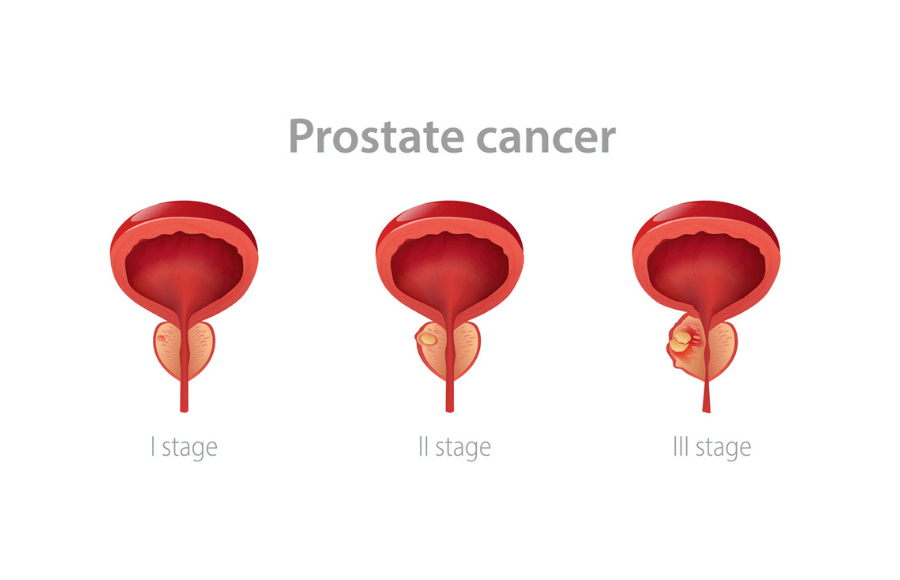
Above: Stages of prostate cancer tumor growth, from localized to advanced.
Although there are many medical conditions affecting the prostate that cause complications in patients, it’s important to understand the most common prostate issues among men today before understanding the foods to avoid.
Prostate Cancer
Nearly 1 in 8 men will receive a prostate cancer diagnosis in their lifetime, making prostate cancer the second most common cancer among men in the United States behind skin cancer¹.
Like other types of cancer, prostate cancer occurs when lesions formed inside the prostate gland develop varying degrees of cancer. This type of cancer is most common in older men with a history of prostate cancer in their family. However, there are certain lifestyle factors that impact the likelihood of prostate cancer. Conversely, it’s important to note that there is no known prevention for this disease.
Prostate cancer is first detected by signs of elevated prostate specific antigen (PSA) levels through a blood test. After elevated PSA levels are confirmed, the patient undergoes a prostate MRI to check for visible lesions likely to contain cancer. A subsequent prostate biopsy is performed to sample the prostate gland, of which the results are sent to pathology for analysis.
Prostate cancer is highly treatable when discovered early. Treatment options include active surveillance (monitoring cancer progression) and focal therapy, among others.
Benign Prostatic Hyperplasia (BPH)
Men over 50 are commonly diagnosed with BPH, which is the enlargement of the prostate gland. This non-cancerous condition develops when the inner portion of the prostate grows and leads to BPH, which is common with age and hormonal changes like alterations in testosterone levels in older men. Common symptoms of BPH primarily include urinary problems such as weak urine stream, frequent urination, and difficulty starting urination. If left untreated, BPH can result in bladder stones and kidney damage.
Much like prostate cancer, elevated PSA levels are also an indicator of BPH. In select cases, a prostate ultrasound or MRI is used for diagnosis, along with urinalysis and a Digital Rectal Exam². However, advanced BPH treatment options are revolutionizing the way this condition is treated.
Prostatitis
The last prostate condition we’ll discuss is prostatitis, which is an inflammation of the prostate gland. Prostatitis often causes pain, urinary problems, and sexual dysfunction. Unlike BPH, prostatitis is caused by either infection or non-infectious processes that affects men of all ages.
The Chronic Prostatitis Symptom Index is a common diagnosis method³, along with a Digital Rectal Exam, PSA testing, and urinalysis. Acute cases of prostatitis respond well to antibiotics, while chronic forms can be difficult to manage and require a long-term approach to treatment.
“Suboptimal prostate health can lead to prostate cancer, BPH, and prostatitis. Avoiding foods high in sodium is one of the best ways to reduce your risk of illness.”
Ten Worst Foods for Prostate Health
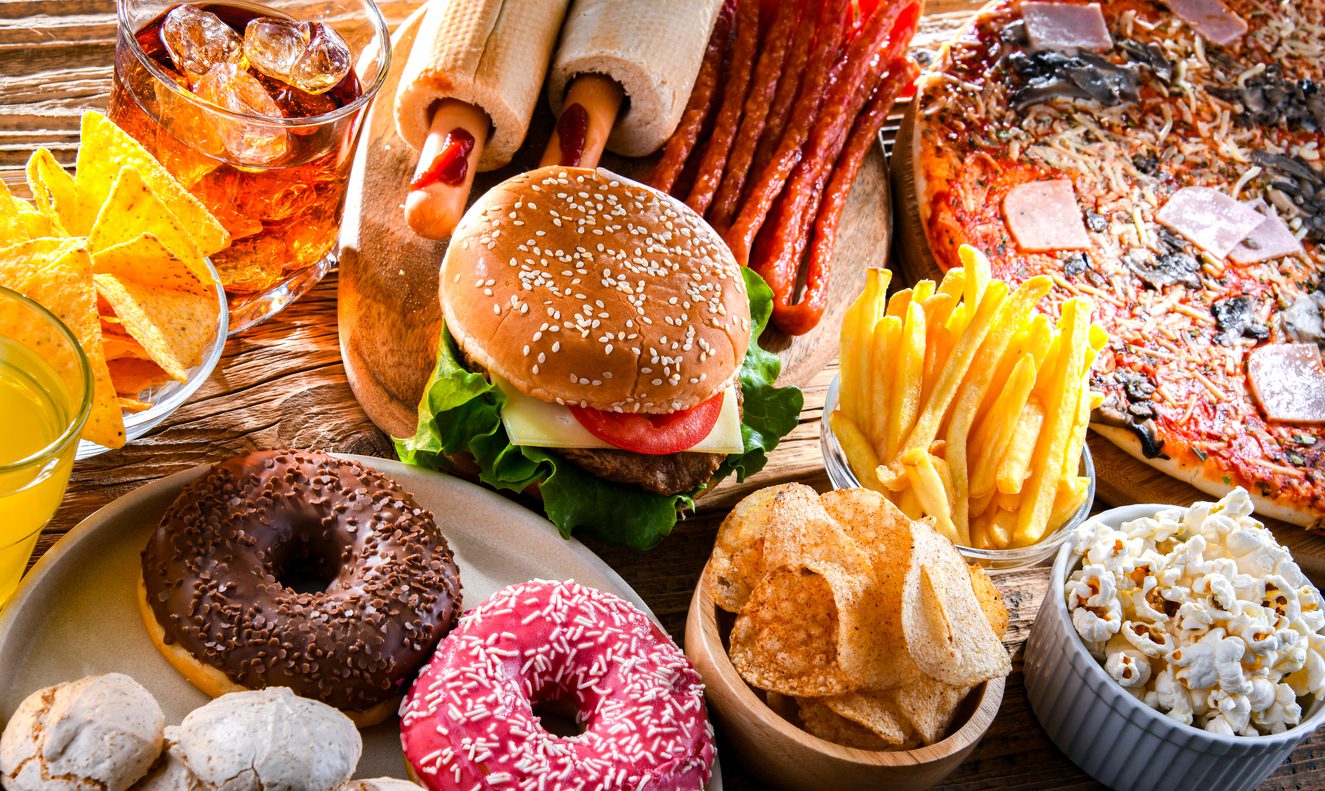
Now that you have an understanding of the most common forms of prostate issues, let’s get into the ten worst foods for prostate health and why you should avoid them to minimize your risk of prostate issues.
#1 – Alcohol
First on the list of the top ten worst foods for prostate health is alcohol. Excessive alcohol consumption (especially beer and hard liquor) irritates the bladder and can lead to common urinary symptoms associated with BPH. Additionally, alcohol is a known risk factor for a host of other diseases and medical conditions⁴.
As noted in this 2022 study, alcohol interferes with androgen deprivation hormone therapy and may influence testosterone therapy outcomes. The study also mentions that there is a strong link between alcohol consumption and the development of prostate cancer.
#2 – Dairy
Dairy consumption may have a negative impact on prostate health for several reasons. First, the high calcium content found in dairy products can suppress the production of vitamin D in the body. This is significant because vitamin D is thought to inhibit prostate cancer cell growth, and reduced levels may allow abnormal cells to multiply⁵.
Dairy products also contain saturated fat which can lead to inflammation and affect hormone levels. As one of the hallmarks of BPH, chronic inflammation is a known risk factor for prostate issues.
#3 – Fried Foods
Fried foods contain plenty of harmful chemicals and compounds. Among the most damaging are trans fats and oxidized fats, which disrupt normal hormone function and increase inflammation in many areas.
Fried foods are also associated with obesity, weight gain, insulin resistance, and metabolic syndrome. Specifically, french fries, donuts, fried fish, and fried chicken should be avoided to maintain optimal prostate health.
#4 – Soda and Sugary Beverages
Number four on the list of the ten worst foods for prostate health is soda and sugary beverages. Popular sodas, juices, mocktails, and energy drinks contribute to diminished prostate health, especially when consumed regularly.
Soda and high-sugar beverages lead to chronic inflammation, higher risk of obesity, and other metabolic issues. Alternatives to consider include water, green tea, black coffee, and unsweetened almond milk.
#5 – Red Meat
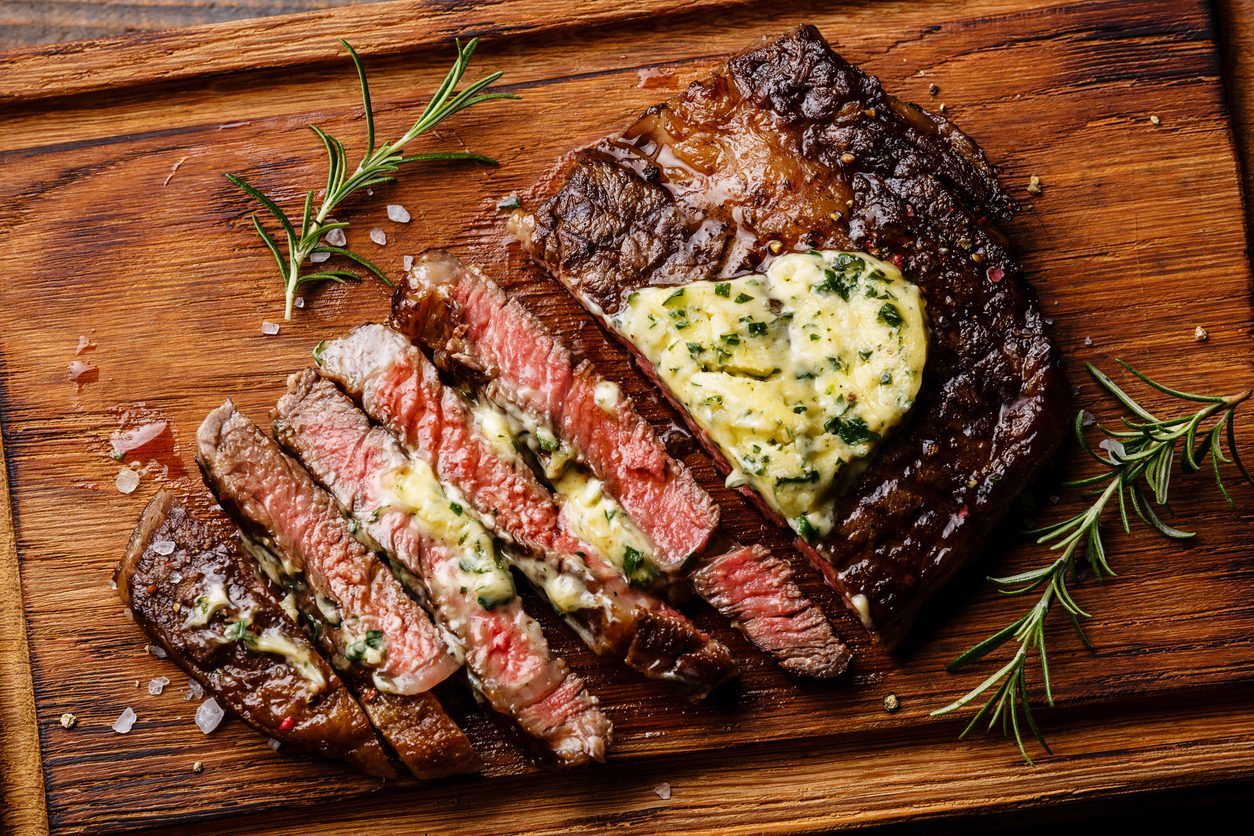
Red meat is another food that is harmful to prostate health when consumed excessively. In fact, a 2022 study notes that red and processed meat consumption has shown a positive association with prostate cancer risk, although research is still ongoing⁶.
Red meat cooked at high temperatures and consumed frequently is the most damaging. As we’ll discuss, the saturated fat in red meat can cause inflammation and lead to weaker prostate health.
#6 – All Processed Foods
We mentioned processed foods briefly, but it’s worth discussing once more. Inflammation is another key concern with processed foods and specifically the refined sugars and excess sodium found within them.
Like fried foods and sugary drinks, processed foods are known to increase the risk of obesity and cause poor nutrition.
#7 – Saturated Fats
Saturated fats are another theme on the list of the ten worst foods for prostate health. Saturated fats are primarily found in meat, dairy, baked goods, and coconut oil.
Once again, saturated fats contribute to obesity, weight gain, and elevated cholesterol and can lead to more severe BPH symptoms and poor prostate cancer outcomes.
#8 – Caffeine
Consuming high amounts of caffeine may worsen urinary symptoms of BPH. Caffeine is a bladder stimulant and mild diuretic, which can increase urinary frequency, cause bladder irritation in sensitive individuals, and cause men to wake at night to urinate frequently.
Cutting back on caffeine is also recommended for patients with prostatitis for the same reasons and complications of drinking caffeine with BPH.
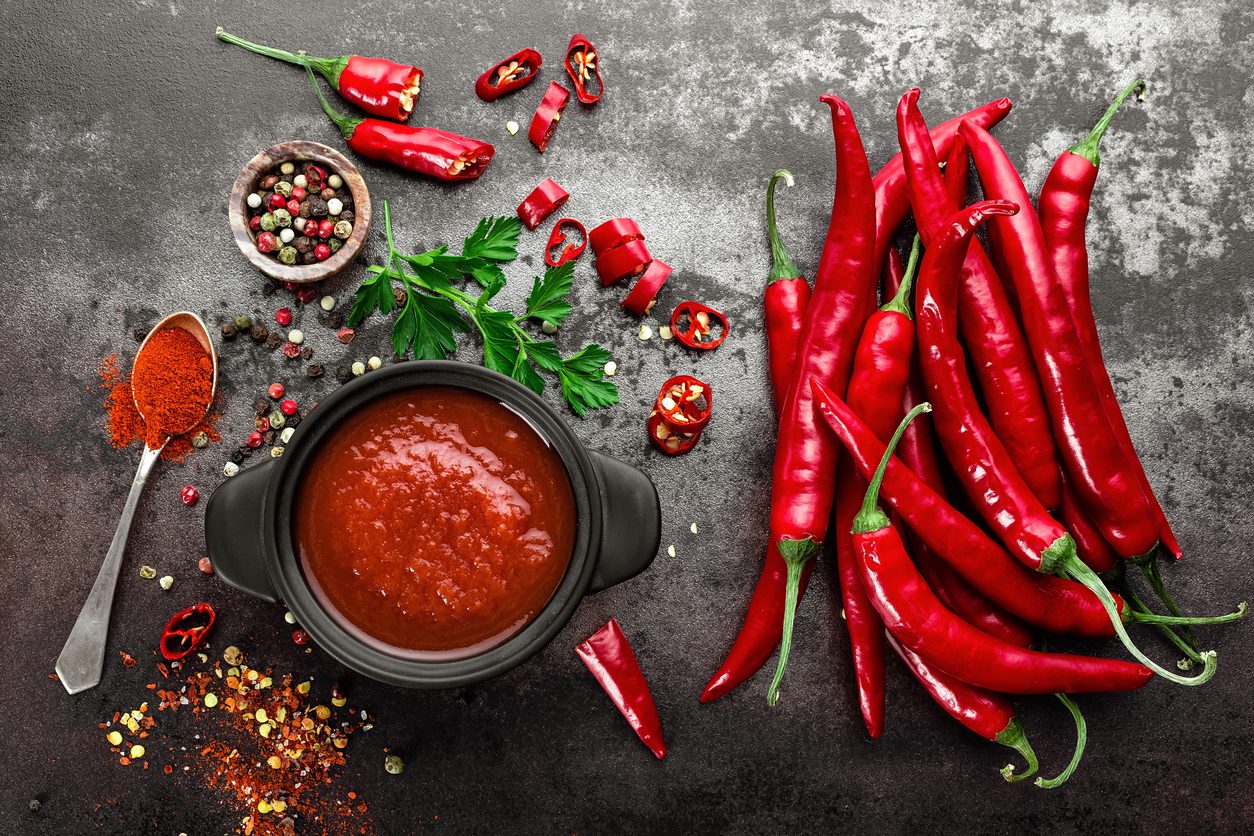
#9 – Spicy Foods
Believe it or not, but another food to avoid for optimal prostate health is an excessive amount of spicy food. In particular, spices like chili peppers, curry, and hot sauces are known to irritate the bladder and urethra in patients with a sensitive urinary system.
Eating spicy foods frequently may lead to stronger symptoms of BPH and prostatitis, such as frequent urination, pelvic discomfort, inflammation, and urinary irritation. The same 2022 study mentioned above notes that decreasing spicy food intake lowered PSA levels, which are a hallmark indicator of prostate cancer and many other prostate cancer conditions.
#10 – High-Sodium Foods
Some foods on the list of the top ten worst foods for prostate health are naturally high in sodium, but it’s worth mentioning that high sodium foods contribute to hypertension, which is more common in men with BPH.
High blood pressure may worsen symptoms of both prostatitis and BPH due to the stress on the cardiovascular system.
The Bottom Line
When it comes to prostate health, the best advice you can get is to eat a balanced diet and get plenty of exercise. While there is no known guaranteed prevention of prostate issues, staying away from the ten worst foods for prostate health gives you the best chance at maintaining a healthy prostate as you age.
Do you have prostate issues you want checked out? Ask your urologist about KOELIS, or find a certified provider in our network with our KOELIS Locator.
Sources & References
1 – Cancer Facts for Men. American Cancer Society. 2025. https://www.cancer.org/cancer/risk-prevention/understanding-cancer-risk/cancer-facts/cancer-facts-for-men.html
2 – Udeh EI, Dakum NK, Aderibigbe SA, Edeh JA. The Utility of Digital Rectal Examination in Estimating Prostate Volume in a Rural Hospital Setting. Niger J Surg. 2015 Jul-Dec;21(2):111-4. doi: 10.4103/1117-6806.162570. PMID: 26425063; PMCID: PMC4566315.
3 – NIH – CHRONIC PROSTATITIS SYMPTOM INDEX. https://repository.niddk.nih.gov/media/studies/mapp_ep/Forms/MAPP_MGUPI_v1.0.20090819.pdf
4 – Shield KD, Parry C, Rehm J. Chronic diseases and conditions related to alcohol use. Alcohol Res. 2013;35(2):155-73. PMID: 24881324; PMCID: PMC3908707.
5 – Cassell A, Konneh S. Unlocking the potential-vitamin D in prostate cancer prevention. World J Clin Oncol. 2024 Feb 24;15(2):169-174. doi: 10.5306/wjco.v15.i2.169. PMID: 38455136; PMCID: PMC10915943.
6 – Nouri-Majd S, Salari-Moghaddam A, Aminianfar A, Larijani B, Esmaillzadeh A. Association Between Red and Processed Meat Consumption and Risk of Prostate Cancer: A Systematic Review and Meta-Analysis. Front Nutr. 2022 Feb 7;9:801722. doi: 10.3389/fnut.2022.801722. PMID: 35198587; PMCID: PMC8859108.