

 English
 German
 Spanish
 Italian
 Japanese
 United states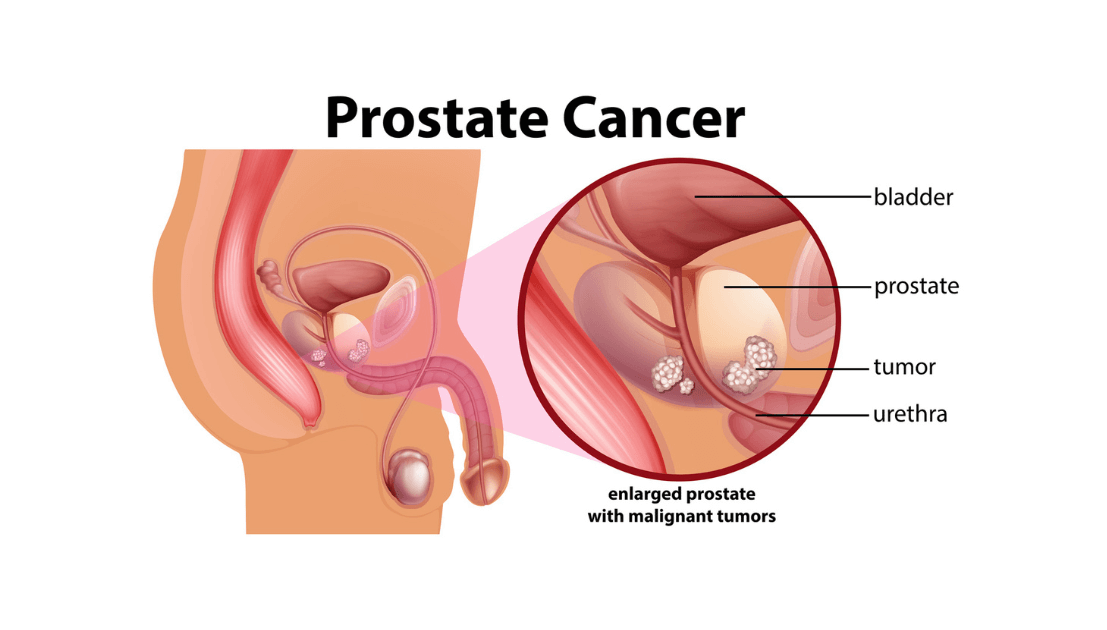
Prostate removal (medically known as radical prostatectomy) is a major surgical procedure that removes all or part of the prostate gland. It’s often recommended as a last resort for men with prostate cancer, though in some cases it is also used to relieve severe urinary symptoms associated with benign prostatic hyperplasia (BPH).
While prostate removal is effective at eliminating the risk of prostate cancer, the procedure comes with major side effects to be aware of before undergoing surgery.
Continue reading to learn more about prostate removal side effects, risks, and recovery timeline. This information will allow you to be informed before making the decision to undergo prostate removal surgery.
What is Prostate Removal?
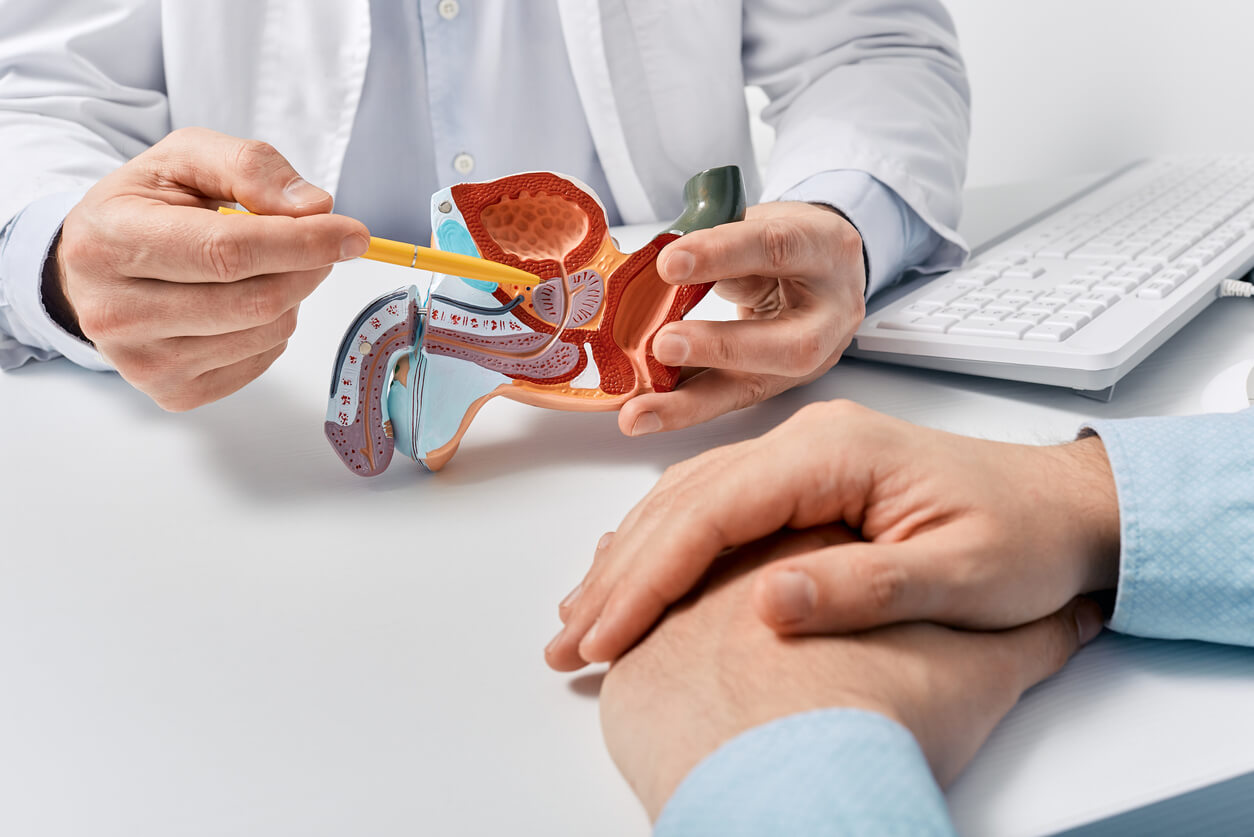
Like we mentioned, prostate removal is the removal of part of the prostate, and in many cases, the entire prostate gland. Since the prostate gland supports major reproductive and urinary functions, prostate cancer and BPH can inhibit or drastically reduce function in these areas.
In a radical prostatectomy procedure, the entire prostate gland is removed. This procedure is most common when prostate cancer is localized and removal of the prostate is the safest way to reduce symptoms and prolong lifespan if focal therapy treatment options aren’t viable¹.
Radical prostatectomy can be performed by open surgery, laparoscopic surgery, or robot-assisted laparoscopic prostatectomy (RALP). Other prostatectomy procedures used for BPH include the simple prostatectomy where the inner part of the prostate is removed while the outer capsule remains intact.
“The goal of prostate removal is to remove the entire gland to prevent the spread or recurrence of prostate cancer. In some cases it is also used to relieve severe urinary symptoms associated with benign prostatic hyperplasia (BPH).”
When is Prostate Removal Needed?
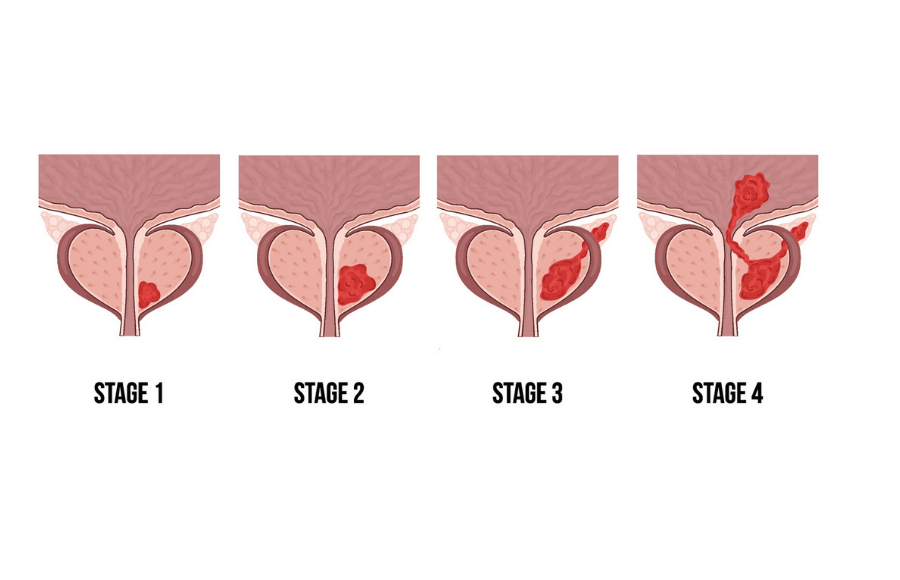
Above: Illustration of prostate cancer tumor, from localized to advanced.
Men with localized prostate cancer are primary candidates for prostate removal surgery. This stage of prostate cancer is when the cancer is confined only to the prostate and has not spread to bones or distant organs. In some cases of locally advanced prostate cancer, surgery may be used in conjunction with radiation therapy or hormone therapy to reduce cancer burden before other treatments.
Although less common, men with BPH that causes chronic urinary retention, recurring urinary tract infections, or bladder stones may undergo prostate removal. Simple prostatectomy (removing part of the prostate gland) may be performed if the prostate is very large or minimally invasive treatments like transurethral resection of the prostate (TURP) or laser ablation are ineffective.
Prostate Removal Side Effects

The side effects of prostate removal vary depending on the type of surgery and the extent of prostate removal. However, there are common side effects that must be understood before undergoing surgery.
Urinary Issues
Urinary issues are one of the hallmark side effects of prostate removal and are very common in the short-term. This side effect occurs due to the removal of the prostate temporarily disrupting the muscles and nerves that control and regulate urinary functions.
Urinary incontinence, which is the loss of bladder control, is one of the most common short-term effects which many men see improvements within 3-12 months². Urinary leakage, strong urges to urinate, and difficulty emptying the bladder are common. However, Kegel exercises and physical therapy can help speed recovery.
Erectile Dysfunction
Another prostate removal side effect is erectile dysfunction, or the inability to achieve and maintain erections. However, one 2006 study found that erectile function returned after 2 years post-surgery in most cases³.
Treatment options exist for men experiencing erectile dysfunction after prostate removal. Since these effects can be distressing for men and decrease quality of life, doctors developed “penile rehabilitation”, to sustain penile tissue health following surgery⁴. This rehabilitation program involves medication following prostate removal surgery for 18 to 24 months to regain sexual function.
Loss of Fertility
The prostate gland produces semen, and removing the prostate results in the loss of semen production. Because of this, men lose their fertility and natural conception is not possible post-surgery.
Sperm banking before surgery is an option for men who wish to have children later. Consult with a fertility expert and your physician if fertility issues are a concern.
“The side effects of prostate removal vary depending on the type of surgery and the extent of prostate removal. However, there are common side effects that must be understood before undergoing surgery.”
Emotional and Psychological Impact
An often under-discussed prostate removal side effect is the mental and emotional impact these changes have on men post-surgery. In fact, many men experience increased anxiety linked to poor sexual satisfaction and depression, according to Mayo Clinic.
According to Alexander Parker, Ph.D., a researcher at the University of Florida, men with higher cancer-specific anxiety one year after surgery for prostate cancer are more likely to report lower levels of satisfaction with their sex life and higher levels of depressive symptoms⁵. In his research, Dr. Parker found that long-term emotional issues around sexual satisfaction are a major concern since prostate removal is effective at prolonging lifespan and these issues may persist as men age.
Luckily, institutions like Mayo Clinic and programs throughout the country provide assistance and therapy for men experiencing these symptoms. Contact your physician to learn more about the emotional and psychological impact of prostate removal and treatment for these issues.
Prostate Removal Recovery

While prostate removal side effects are common, luckily recovery time post-surgery is very promising. Here is a typical post-surgery recovery timeline:
Immediate Recovery
Immediate recovery requires patients to stay at the hospital for one night, then the first few days at home may involve moderate pain in the area where the prostate was removed⁶. Your doctor may recommend over-the-counter pain medication or a stronger prescription if pain is severe.
One Week Post-Surgery
Your catheter will be removed approximately one week after surgery at your doctor’s office. Some patients decide to take the catheter out at home but must ask their doctor for instructions before doing so.
Your surgeon will call to discuss the final pathology results and whether further treatment is necessary post-surgery.
One Month Post-Surgery
After one month, doctors still recommend no strenuous activity or heavy lifting. Most patients decide to take off work for three to four weeks as they recover. However, patients working from home may decide to return to work if symptoms subside.
After one month, life should start to get back to normal. Some men will still experience urinary incontinence and erectile dysfunction. If these side effects are affecting your quality of life, ask your doctor about options that can help alleviate these issues.
The Bottom Line
While prostate removal is often seen as a last resort after focal therapy and radiation treatment is determined unviable, it is an effective way to eliminate cancer and prolong lifespan in men with prostate cancer.
Although prostate removal side effects are serious considerations, most side effects are temporary, and many treatment options exist for patients post-surgery to overcome these issues.
Ask your urologist about KOELIS, or find a certified provider in our network with our KOELIS Locator.
Sources & References
1 – When Is It Best to Remove the Prostate for Prostate Cancer? Ali Kasraeian, MD, FACS. 2022. https://kasraeianurology.com/blog/when-is-it-best-to-remove-the-prostate-for-prostate-cancer
2 – Incontinence After Prostate Surgery. Cleveland Clinic. https://my.clevelandclinic.org/health/symptoms/incontinence-after-prostate-surgery
3 – Dall’era JE, Mills JN, Koul HK, Meacham RB. Penile rehabilitation after radical prostatectomy: important therapy or wishful thinking? Rev Urol. 2006 Fall;8(4):209-15. PMID: 17192800; PMCID: PMC1751036.
4 – Emanu JC, Avildsen IK, Nelson CJ. Erectile dysfunction after radical prostatectomy: prevalence, medical treatments, and psychosocial interventions. Curr Opin Support Palliat Care. 2016 Mar;10(1):102-7. doi: 10.1097/SPC.0000000000000195. PMID: 26808052; PMCID: PMC5005072.
5 – Prostate Cancer Surgery Can Lead to Anxiety, Depression, Quality of Life Issues. Mayo Clinic. 2012. https://newsnetwork.mayoclinic.org/discussion/prostate-cancer-surgery-can-lead-to-anxiety-depression-quality-of-life-issues/
6 – Prostatectomy: What to Expect During Surgery and Recovery. Reviewed By: Mohamad Ezzeddine Allaf, M.D. Johns Hopkins Medicine. https://www.hopkinsmedicine.org/health/conditions-and-diseases/prostate-cancer/prostatectomy-what-to-expect-during-surgery-and-recovery