

 English
 German
 Spanish
 Italian
 Japanese
 United states
Prostate cancer is one of the most common cancers among men in the US. However, unlike other forms of cancer, prostate cancer is very treatable and many patients make a full recovery to live healthy lives after diagnosis.
One of the many prostate cancer treatment methods used today is prostate removal (medically known as radical prostatectomy). This treatment option is typically recommended for localized prostate cancer that is considered aggressive or high-risk.
Sometimes prostate removal is the only option for patients, but prostate removal side effects and recovery times are important considerations. Let’s talk about the average life expectancy after prostate removal and other key information that comes with a radical prostatectomy.
What is Prostate Removal?
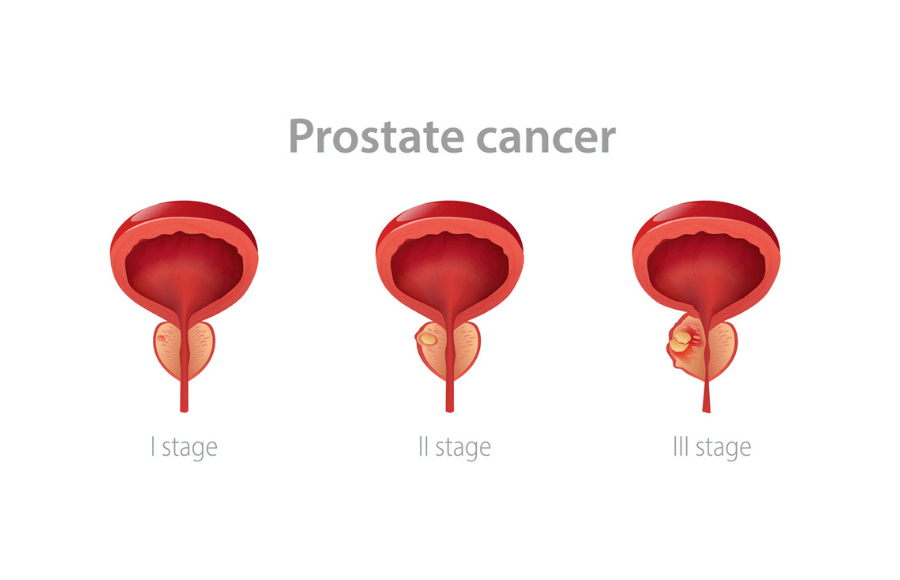
Prostate removal, or a radical prostatectomy, is a procedure in which the entire prostate gland is removed due to cancer or other prostate problems. A prostate removal typically involves removing the prostate and surrounding seminal vesicles to ensure complete removal of cancerous tissue.
There are two types of prostate removal surgeries: an open prostatectomy and minimally invasive surgery. An open prostatectomy requires a large incision in the lower abdomen and is the most common open method, while the minimally invasive surgery uses robot-assisted arms for greater precision and is most common in modern practice.
In a radical prostatectomy procedure, the patient is administered general anesthesia, then the surgeon or robot-assisted arms separate the prostate gland and seminal vesicles from surrounding tissue. The bladder neck is attached to the urethra so urine can flow normally, and the surgical site is closed.
“The 10-year survival rate for patients after prostate removal was 91%, according to a 2021 study¹. This survival rate varies based on age, overall health, and cancer risk features. ”
Life Expectancy After Prostate Removal

Men facing a prostate cancer diagnosis or preparing for prostate removal often wonder about the long-term survival rate and life expectancy after surgery. Luckily, there is plenty of research on this topic, and the data looks promising.
In fact, a 2021 study found that men after prostate removal lived longer than the rest of the population on average, with a 10-year survival rate of 91%. The authors noted differences by age in their life-table comparison; your individual outlook depends on overall health and tumor characteristics.
Overall, these findings reflect both the benefit of prostate cancer detection along with prostate removal in men with low-to-intermediate risk prostate cancer.
Prostate Removal Side Effects

While the life expectancy after prostate removal is positive, there are downsides to consider before undergoing this procedure. Here are the most common side effects after prostate removal.
Erectile Dysfunction (ED)
One of the most widely known prostate removal side effects is erectile dysfunction (the inability to get and maintain erections). The reason this is so prevalent in men after prostate removal is because of the need to remove the entire prostate gland, which often harms many of the erectile nerves during surgery.
Despite this, men under 60 years old tend to have better recovery odds, while patients with cancer located away from erectile nerve bundles also have a positive chance of recovery. Patients may also be able to avoid erectile dysfunction side effects if the bilateral nerve bundles are spared during surgery.
Because quality-of-life effects matter, patients may want to discuss nerve-sparing approaches and all appropriate treatment options with their care team.
Urinary Issues
Along with erectile dysfunction, urinary issues are another very common side effect after prostate removal. These issues come in many forms, but common issues involve a strong urge to urinate frequently, weak stream or retention, incontinence, and leakage when coughing or sneezing.
Many men see gradual improvement over the first several months after surgery, and recovery can continue for up to a year or longer. Your doctor can explain what’s typical for your situation.
Fertility Issues
Another concern for men after prostate removal is fertility issues. Natural conception is typically not possible with a radical prostatectomy without prior sperm banking due to the removal of the prostate and changes to the vital functions of the reproductive system.
Quality of Life Issues
Like we mentioned, quality of life is an under-discussed side effect after prostate removal. Some men experience depression or anxiety related to the changes in sexual function and struggle with self-image issues due to reduced sexual performance.
Erectile dysfunction and incontinence can also affect interpersonal relationships and cause intimacy issues for couples navigating prostate removal. Men experiencing these issues are advised to seek counseling to help cope with their condition.
Prostate Removal Recovery

With modern robotic surgery methods, recovery after prostate removal is typically faster than you may think. At the hospital right after surgery, you will be monitored for any complications like blood clots and other known risks. After being discharged, over-the-counter pain medicine is recommended for dealing with moderate pain during the first few days at home.
As patients recover, the incision sites typically begin healing over the first couple of weeks, and your surgical team will give specific recovery guidance. Physicians may recommend no strenuous activity for the first month after surgery and, at that time, life should start getting back to normal².
Prostate Removal Alternatives
While prostate removal is effective at removing prostate cancer, it’s not always the best option for all cases of cancer. Here are a few prostate removal alternatives to consider discussing with your doctor.
Focal Therapy
One of the most promising treatment options available for prostate cancer is focal therapy. This innovative minimally invasive treatment method aims to destroy localized cancer cells without affecting the surrounding tissue and nerves around the prostate.
There are several different types of focal therapy treatments, including cryotherapy, irreversible electroporation (IRE), high-intensity focused ultrasound (HIFU), and focal laser ablation (FLA), among others.
Radiation Therapy
Radiation is a proven method of treating many different forms of cancer, and it’s often highly effective at destroying prostate cancer cells and eliminating cancerous tissue. With radiation therapy, a machine outside the body directs high-energy X-rays at the prostate for localized prostate cancer.
Radiation schedules vary. Some courses are delivered over several weeks, while others use shorter-course approaches depending on the clinical situation. Short-term side effects include erectile dysfunction, bowel issues, and urinary problems.
The Bottom Line
Life expectancy after prostate removal is encouraging, which means a prostate cancer diagnosis doesn’t have to cause distress. While the side effects of prostate removal are important considerations, radical prostatectomy can be an effective treatment for prostate cancer, and long-term outcomes are often very good—especially when the cancer is detected early. Treatment decisions should be individualized with your care team.
Ask your urologist about KOELIS, or find a provider in our network with our KOELIS Locator.
References
1 – Würnschimmel C , Wenzel M , Wang N , et al. Long-term overall survival of radical prostatectomy patients is often superior to the general population: A comparison using life-table data. The Prostate. 2021; 81: 785-793. https://doi.org/10.1002/pros.24176
2 – Prostatectomy: What to Expect During Surgery and Recovery. Reviewed by Mohamad Ezzeddine Allaf, M.D. Johns Hopkins Medicine. https://www.hopkinsmedicine.org/health/conditions-and-diseases/prostate-cancer/prostatectomy-what-to-expect-during-surgery-and-recovery