

 English
 German
 Spanish
 Italian
 Japanese
 United states
Many patients and loved ones of those faced with a potential prostate cancer diagnosis often wonder about the prostate biopsy procedure, recovery times, and painfulness of the procedure. Luckily with advanced technology and recent innovations in prostate cancer screening, the process is minimally invasive and patient recovery is fast.
However, undergoing a prostate biopsy procedure can be daunting. This article explains the process of the prostate biopsy, how it works, the recovery plan, and more information so you can be confident going into the prostate biopsy.
The Prostate Biopsy Procedure
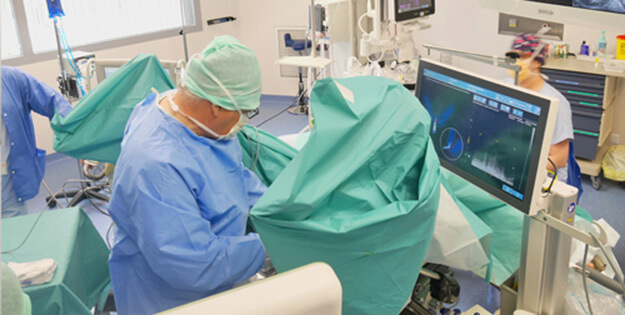
Pictured: A prostate biopsy procedure with KOELIS Trinity® fusion biopsy system.
Before the prostate biopsy procedure, most men over 60 undergo routine PSA testing to evaluate the level of prostate-specific antigens (PSA) present in the blood. Elevated PSA levels are one of the primary indicators of prostate cancer, and blood tests showing high PSA levels typically lead to physicians recommending a prostate biopsy.
As we’ll discuss, the prostate biopsy procedure is done through the transrectal or transperineal approach, and the procedure differs slightly in the process of how cancer samples are taken. The transrectal approach involves local anesthesia to numb the area, while the transperineal approach may use local or general anesthesia coupled with an MRI-fusion system like KOELIS Trinity®.
The physician uses a biopsy needle to extract samples of the prostate to be tested for the presence of cancer and sends the results to pathology for analysis. After the prostate biopsy procedure, the patient is monitored briefly for any immediate complications and is discharged with post-biopsy care instructions.
“The transrectal approach involves local anesthesia to numb the area, while the transperineal approach may use local or general anesthesia coupled with an MRI-fusion system like KOELIS Trinity®.”
Who Needs a Prostate Biopsy?
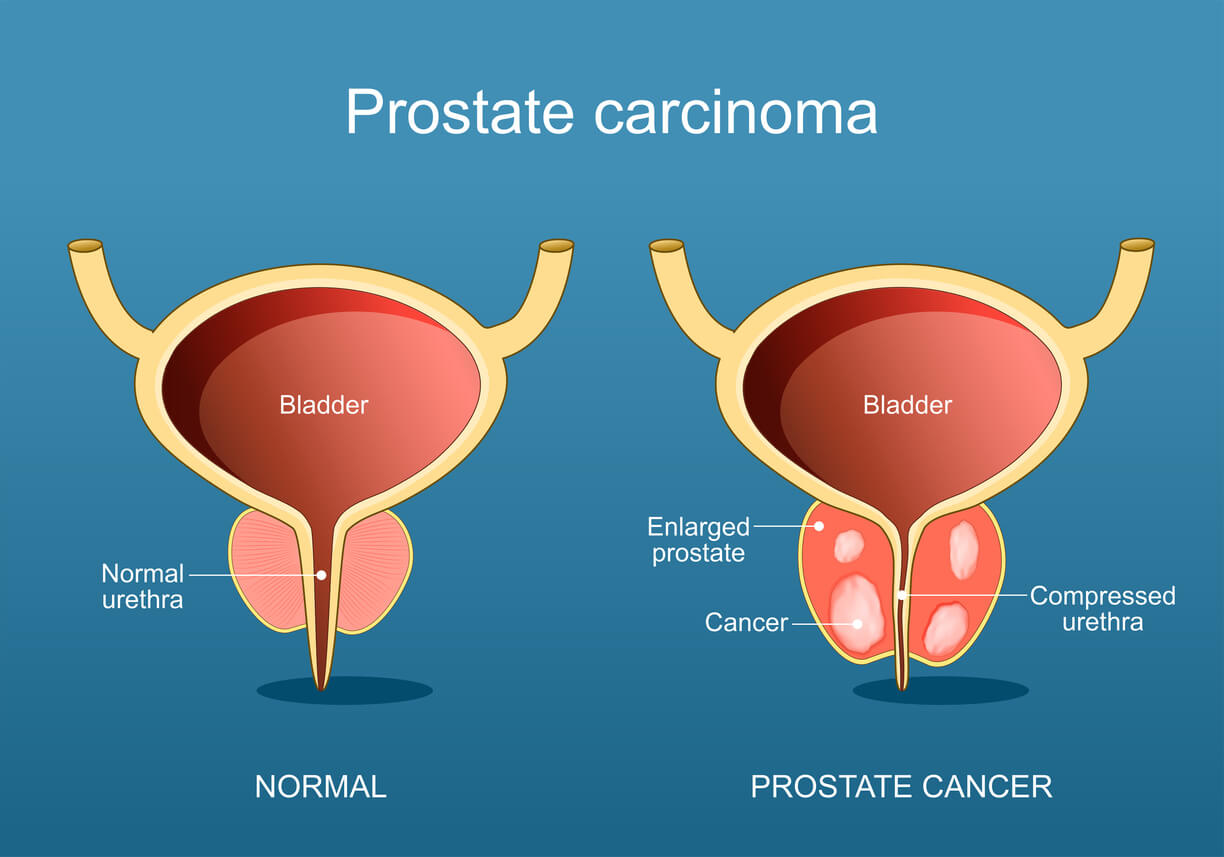
A prostate biopsy is generally recommended for patients showing signs of elevated PSA levels in the blood or other prostate abnormalities. It’s important to understand that high PSA levels may also be an indicator of other prostate issues such as BPH and prostatitis.
Another method of determining the necessity of a prostate biopsy is through an abnormal Digital Rectal Exam (DRE). During the exam, a physician manually palpitates the prostate through the rectum to feel for abnormalities like hard nodules and irregular texture of the prostate. Additionally, suspicious findings on MRI may also necessitate a prostate biopsy.
Repeat biopsies are also common among men who had a previous negative biopsy but still show signs of elevated or rising PSA levels. In these cases, an MRI-guided fusion biopsy is often more accurate than a standard biopsy.
Types of Prostate Biopsy Procedures
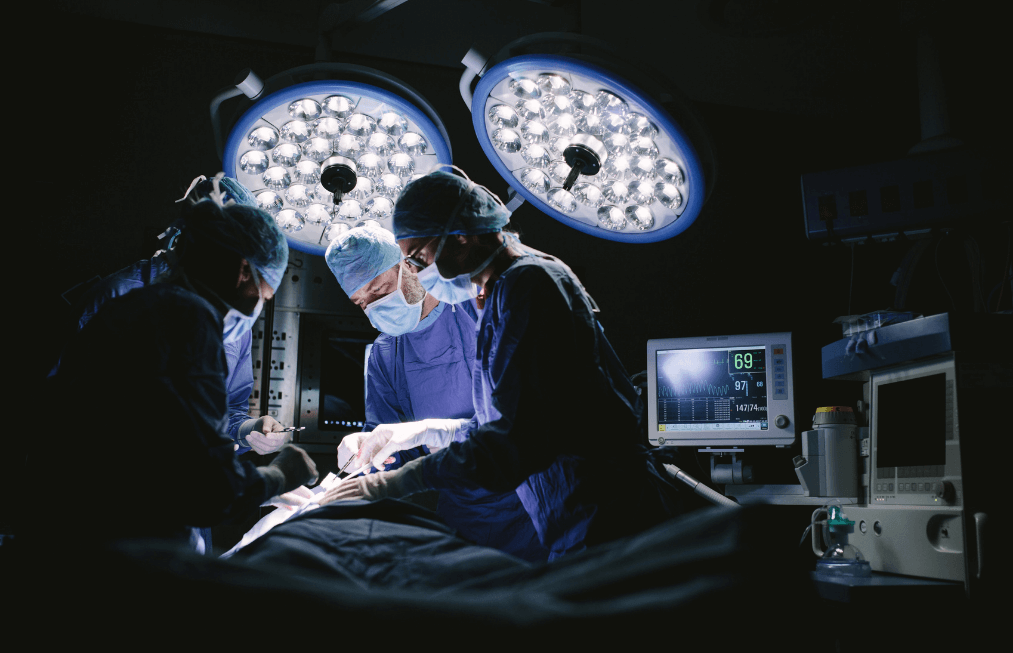
Like we mentioned above, there are two main types of prostate biopsies performed today: transrectal and transperineal. What once started as a highly invasive procedure with large incisions, prostate biopsies today are safe and effective at pinpointing the presence of cancer.
Let’s discuss the transrectal and transperineal route for prostate biopsies in more detail.
Transrectal Prostate Biopsy
The transrectal prostate biopsy is considered the gold standard method in prostate biopsy today. The procedure is often completed in 30 minutes or less and doesn’t require general anesthesia like some transperineal procedures do. Additionally, the transrectal biopsy can be done in an office or outpatient setting, and patients are discharged soon after the procedure is complete.
However, the transrectal prostate biopsy comes with several risks and potential downsides. Since the biopsy needle pierces the rectal lining, infection is a top concern. In fact, a 2021 study found an infection rate of 5.4% among patients who received a transrectal biopsy¹. Additionally, patients report more pain with transrectal biopsies compared to the transperineal approach².
The transrectal biopsy requires the patient to lay on their side (known as the lateral decubitus position) on the exam table or bed. The physician numbs the area with local anesthesia, then proceeds to take roughly 12 prostate samples by firing a needle gun into the prostate after piercing the rectal lining. Patients describe the procedure as uncomfortable but not very painful.
Transperineal Prostate Biopsy
Similar to the transrectal biopsy, the transperineal approach also allows physicians to sample regions of the prostate suspected to contain cancer. General anesthesia (used to make the patient unconscious) is becoming more popular to enhance patient comfort during the procedure.
Using an MRI-fusion device such as KOELIS Trinity®, physicians pre-plan the targeted regions with MRI-ultrasound fusion technology. This approach allows for accurate targeting and precision targeting of suspected lesions. In fact, a 2018 study found that fusion platforms like KOELIS achieved a higher precision and detected cancer in more patients than other techniques³.
During a transperineal biopsy, the patient is in lithotomy position⁴ (laying on their back with feet up) and has the area taped and draped to give clear access to the perineum. The physician then uses the biopsy needle to sample 12 cores of the prostate. After 12 cores are extracted, the patient is cleaned and is moved from the operating room to recovery.
Prostate Biopsy Procedure Video
Prostate biopsy procedure videos are helpful in understanding how the biopsy works and the steps involved for both patients and physicians. See below for the following prostate biopsy procedure video using the KOELIS Trinity for an overview of the prostate biopsy process, how it works, and the difference when using KOELIS Trinity.
Prostate Biopsy Procedure Recovery

Recovery after a prostate biopsy is usually straightforward, but patients should be aware of certain common side effects, precautions, and warning signs. Most men recover fully within a few days to a week, depending on the type of biopsy performed.
Immediate Recovery (First 24-48 Hours)
In the first 24 to 48 hours after the prostate biopsy procedure, discomfort in the rectum or perineum is common. Mild bleeding in the rectum is normal along with blood in urine or blood in semen. These symptoms may persist for several weeks after the prostate biopsy procedure.
Days 2-7: Short-Term Healing Phase
In the days following the prostate biopsy, patients may feel slight burning during urination as well as difficulty urinating in some cases. Antibiotics are often prescribed to patients undergoing a transrectal biopsy to reduce infection risk. Additionally, patients are typically advised to avoid strenuous activity for 24 to 48 hours, refrain from sexual activity for 3-5 days, and drink plenty of fluids to help flush the urinary tract.
Prostate Biopsy Results
After the prostate samples are taken by the physician during the prostate biopsy, the samples are preserved and sent to a pathology lab for microscopic examination. A doctor specializing in tissue analysis examines the samples under a microscope and evaluates whether cancer is present, what type of cancer, and how much of each sample is involved with cancer.
The key result of a prostate biopsy is the Gleason score, which describes how abnormal the cancer cells look compared to normal prostate cells. This number reflects how likely the cancer is to spread to other areas of the prostate and beyond. Two numbers are assigned with the Gleason score, the first being the primary pattern and next the secondary pattern (i.e. 3+4 or 4+3).
The pathology report also contains the cancer volume, number of cores positive, perineural invasion and other patterns that indicate more aggressive behavior. Biopsy results are ready within 5-10 business days, and a follow up appointment is scheduled to review pathology findings and discuss next steps with the physician.
Is the Prostate Biopsy Procedure Painful?
The prostate biopsy procedure is generally well-tolerated, but many men experience some level of discomfort or mild pain depending on the biopsy method, pain control used, and individual sensitivity. Local anesthesia is effective at numbing the area for a transrectal procedure, and most patients describe the feeling as pressure, brief stings, or pinches.
The biopsy needle gun itself makes a clicking or snapping sound with each sample taken, which is when many patients report discomfort or pressure.
Final Thoughts
The prostate biopsy procedure is a relatively pain-free procedure that may cause some short-term discomfort both during and after the biopsy procedure. Patients are advised to call their doctor when experiencing severe or worsening pain around the rectum or painful urination beyond the first few days after the prostate biopsy procedure.
Are you or a loved one getting ready for an upcoming prostate biopsy? Ask your urologist about KOELIS, or find a certified provider in our network with our KOELIS Locator.
Sources & References
1 – Forsvall A, Jönsson H, Wagenius M, Bratt O, Linder A. Rate and characteristics of infection after transrectal prostate biopsy: a retrospective observational study. Scand J Urol. 2021 Aug;55(4):317-323. doi: 10.1080/21681805.2021.1933169. Epub 2021 Jun 7. PMID: 34096449.
2 – Transrectal or transperineal prostate biopsy: which is best? Santis Health. https://santishealth.org/transrectal-or-transperineal-biopsy/
3 – Cornud F, Roumiguié M, Barry de Longchamps N, Ploussard G, Bruguière E, Portalez D, Malavaud B. Precision Matters in MR Imaging-targeted Prostate Biopsies: Evidence from a Prospective Study of Cognitive and Elastic Fusion Registration Transrectal Biopsies. Radiology. 2018 May;287(2):534-542. doi: 10.1148/radiol.2017162916. Epub 2018 Jan 22. PMID: 29361246.
4 – Lithotomy Position: Pictures, Birth, Surgery. Healthline. https://www.healthline.com/health/lithotomy-position